
Last updated:
If you work in the Permian Basin oil fields or have a loved one who does, you may have heard a staggering claim: the Midland oil field fatality rate runs roughly seven times higher than the average for all other industries. The truth is sobering. In 2005 alone, construction and drilling industries accounted for 137 fatalities in Texas. Hazardous industries like oil field services represent only 12% of the state’s payroll costs yet account for 29% of all non-fatal occupational injury cases. When you factor in drilling concentration around Midland and the wider Permian Basin, the per-worker fatality risk is dramatically elevated.
If you or someone you love has been seriously hurt or killed in an oil field accident, The Law Offices of John David Hart is here to help. With more than 40 years of experience handling catastrophic injury and wrongful death cases across Texas, call 817-870-2102 or reach out online for a consultation.
Why the Midland Oil Field Fatality Rate Demands Attention
The Permian Basin is one of the most productive and most dangerous oil-producing regions in the country. Midland sits at its heart, and the sheer volume of drilling and well servicing creates an environment where fatal accidents occur at alarming rates.
The numbers tell a grim story. Injured Texas workers in natural resource and extraction industries had a 41% chance of missing 31 or more days of work, compared to just 18% in Florida and 30% in California. This suggests injuries sustained in Texas oil fields are far more severe, not just more frequent. Hazardous industries in Texas reported an injury rate of 4.3 per 100 full-time employees, compared to only 2.6 in non-hazardous industries.
These risks span all age and experience levels. In a March 2015 rig fire near Midland, three oil well workers were killed when gas was released while securing a blowout preventer. The victims were ages 19, 44, and 64, illustrating that fatal risk follows workers throughout their entire careers.
💡 Pro Tip: If you work in the Permian Basin, document your safety training records, daily toolbox talks, and any concerns you report to supervisors. This documentation can become critical evidence if an injury occurs.
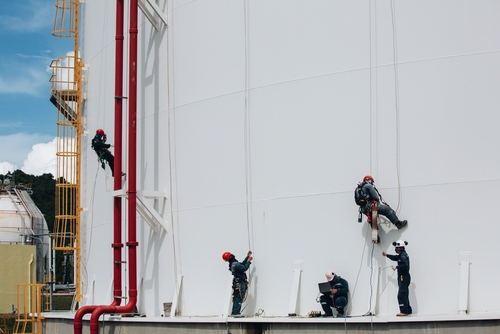
How Permian Basin Oilfield Accidents Happen
Most catastrophic oilfield accidents share common root causes: equipment failure, inadequate training, rushed operations, and ignored safety protocols. Understanding how these incidents unfold can help families recognize whether negligence played a role.
Equipment Failures and Mechanical Breakdowns
Mechanical failures during routine drilling operations have caused fatalities in the Midland area for decades. In one OSHA case, brakes on a drilling rig failed to stop a string of pipe being lowered, causing the elevators to strike spring-loaded slips, killing a worker caught between the elevator bales and a brake lever. In 2017, a drilling worker at Pioneer Energy Services was killed west of Toyah when a non-magnetic drill collar slipped from the elevators and struck him. He was pronounced dead at the scene.
Fires, Explosions, and Gas Releases
Well control failures represent some of the most terrifying scenarios on a drilling site. The 2015 rig fire near Midland killed three workers from burns and smoke inhalation after gas contacted an ignition source during blowout preventer operations. The employer, Mason Well Service, was cited with six OSHA violations (five serious and one repeated) and penalized $50,400 following the March 2015 rig fire in Upton County.
Inadequate Training and Safety Shortcuts
When companies cut corners on training to keep rigs running, workers pay the price. The Texas Department of Insurance, Division of Workers’ Compensation, offers free oil and gas safety training covering confined spaces, H2S exposure, driving fatigue, and electrical hazards. Yet many employers fail to implement even these freely available resources, which may constitute evidence of negligence in a civil case.
💡 Pro Tip: After any serious oilfield incident, request copies of all incident reports, safety audits, and equipment maintenance logs before they can be altered. An attorney can issue a preservation letter to protect this evidence.
What an Oilfield Injury Attorney in Midland Can Do for Your Case
A catastrophic oilfield injury or wrongful death claim in West Texas is fundamentally different from an ordinary personal injury case. These cases often involve multiple corporate defendants, complex contractor relationships, federal OSHA regulations, and aggressive insurance defense teams.
John Hart has spent more than four decades handling exactly these kinds of high-stakes cases. His courtroom experience, combined with genuine compassion for injured workers and grieving families, has produced significant verdicts and settlements. When an oil field company’s negligence destroys a life or a family’s future, the legal response must be thorough and prepared for trial.
Proving negligence in an oilfield case requires establishing four elements: a duty of care owed by the operator or service company, a breach of that duty through unsafe practices or regulatory violations, causation linking the breach to the injury or death, and quantifiable damages including medical costs, lost income, pain and suffering, and wrongful death recovery.
💡 Pro Tip: Texas follows a modified comparative fault rule under Chapter 33 of the Texas Civil Practice and Remedies Code. If the injured worker is found 51% or more at fault, recovery is barred. This makes early investigation essential.
The Real Cost of West Texas Oil Field Injuries
Beyond the human toll, the economic impact of Permian Basin oilfield accidents is staggering. Texas private industry employers reported 178,800 total recordable nonfatal occupational injury and illness cases in 2022 (per the Texas Department of Insurance, Division of Workers’ Compensation using BLS SOII estimates). A Texas workers’ compensation analysis using BLS data estimates hazardous industries account for about 29% of nonfatal occupational injury and illness cases, which that analysis quantifies as roughly 72,000 cases per year (based on the period it analyzed). For individual families, a catastrophic injury can mean millions in lifetime medical care, permanent loss of earning capacity, and immeasurable emotional suffering.
Impact Category | Oil Field/Hazardous Industries | Non-Hazardous Industries |
|---|---|---|
Injury/Illness Rate (per 100 FTEs) | 4.3 | 2.6 |
Share of Texas Payroll | 12% | 88% |
Share of Non-Fatal Injury Cases | 29% | 71% |
Chance of Missing 31+ Days (TX Extraction) | 41% | Significantly lower |
These figures underscore a painful reality: workers in oil and gas face disproportionate risk for injuries that are more frequent and more severe. If you or a family member has suffered a life-altering oilfield injury in Midland, understanding the full scope of compensable damages is critical.
💡 Pro Tip: Do not accept an early settlement offer without first understanding the long-term financial impact of your injury. Many catastrophic injuries require decades of future medical treatment that an initial offer will not cover.
What to Do After a Catastrophic Oilfield Injury in Midland
The steps you take immediately after a serious oil field accident can determine the outcome of your entire case. Time-sensitive evidence disappears quickly on active drill sites, and companies may begin internal investigations designed to protect corporate interests.
Seek emergency medical treatment and follow all recommended care
Report the incident to your supervisor and request written documentation
Photograph the scene, equipment, and your injuries if physically able
Identify witnesses and collect their contact information
Do not sign any statements or releases from the employer or its insurance company
Contact an oilfield injury attorney in Midland immediately to preserve evidence
Texas imposes strict deadlines on personal injury and wrongful death claims. The statute of limitations is two years from the date of injury or death under Texas Civil Practice and Remedies Code Section 16.003. Courts interpret exceptions narrowly, so delaying action can jeopardize your rights. If you are unsure about your next steps, learn what to do after a serious oil field injury.
OSHA Investigations and How They Relate to Your Civil Claim
Federal OSHA investigations into oilfield fatalities are administrative proceedings, separate from any civil lawsuit you may pursue. However, the findings can provide powerful evidence to support a negligence claim. OSHA inspection records, citations, and penalty amounts are generally public and may reveal documented safety failures.
In the 2017 Pioneer Energy Services fatality, OSHA cited the company with one serious violation, imposing a penalty of $12,934. In the 2015 Mason Well Service rig fire that killed three workers, OSHA issued six violations (five serious and one repeated) with proposed fines totalling $50,400. While these penalties may seem modest, the underlying OSHA investigation findings can serve as evidence of the employer’s breach of duty.
💡 Pro Tip: OSHA inspection records are publicly accessible through OSHA’s online database. An experienced attorney can obtain these records early and use them to build a compelling negligence theory.
Frequently Asked Questions
1. Why is the Texas oilfield death rate so much higher than other industries?
The combination of heavy machinery, high-pressure systems, volatile chemicals, remote locations, and physically demanding labor creates inherently dangerous conditions. When companies fail to maintain equipment, provide adequate training, or follow safety protocols, the risk of fatal incidents increases dramatically.
2. Can I file a lawsuit if my loved one was killed in a Permian Basin oilfield accident?
In many cases, yes. Under Texas Civil Practice and Remedies Code Chapter 71, wrongful death claims may be brought by surviving spouses, children, and parents to pursue compensation for lost financial support, loss of companionship, mental anguish, and other damages. Consulting an oilfield injury attorney in Midland promptly is essential.
3. What if the oil field company says my family member was at fault for the accident?
Texas applies a modified comparative fault standard under Chapter 33. If the worker bears some responsibility, recovery is reduced proportionally. However, if the worker is found 51% or more at fault, recovery is barred entirely. Companies frequently attempt to shift blame onto injured workers, making early evidence gathering critical.
4. How long do I have to file an oilfield injury or wrongful death claim in Texas?
The general statute of limitations is two years from the date of injury or death under Texas Civil Practice and Remedies Code Section 16.003. Limited exceptions may apply, but courts interpret these narrowly. Waiting too long may permanently eliminate your ability to pursue compensation.
5. What types of damages can I recover in a Midland oilfield accident claim?
Damages may include past and future medical expenses, lost wages and earning capacity, physical pain, mental anguish, disfigurement, and loss of enjoyment of life. In wrongful death cases, families may also recover funeral expenses, loss of financial support, and loss of companionship.
Protecting Midland Oil Field Workers and Their Families
The Midland oil field fatality rate reflects a systemic problem that has persisted for decades. Behind every statistic is a worker who left for a shift and never came home, and a family left to navigate overwhelming grief alongside complex legal and financial questions. Understanding your rights after a catastrophic oil field injury in Texas is the first step toward holding negligent companies accountable.
If you have lost a loved one or suffered a devastating injury in a Permian Basin oil field accident, The Law Offices of John David Hart is ready to stand with you. John Hart brings more than 40 years of proven results in catastrophic injury and wrongful death cases. Call 817-870-2102 or contact us today for a free, confidential consultation. You do not have to face this alone.
Hurt in a oilfield injuries & deaths situation?
Talk directly with John David Hart — board-certified Texas trial lawyer. Free, confidential, no fee unless we win.
Get a Free Case Review Call 817-870-2102